
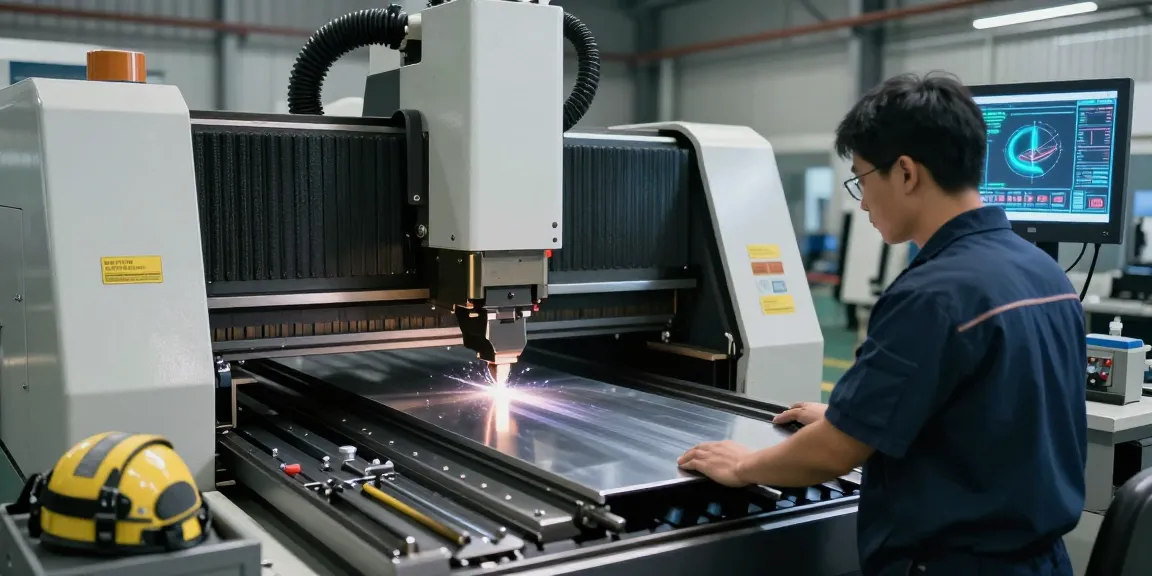
Understanding CNC Press Brake Machines
The CNC press brake machine is a pivotal industrial tool utilized for bending various types of metal sheets precisely. With the advent of technology, these machines have evolved significantly, incorporating advanced features that enhance their performance, efficiency, and usability. By employing a numerical control system combined with hydraulic mechanisms, these sophisticated machines can attain the required bending accuracy with remarkable speed. When exploring options, cnc press brake machine provides comprehensive insights into the diverse capabilities and configurations available in the market today.
What is a CNC Press Brake Machine?
A CNC press brake machine is a mechanical device that formats and shapes metal sheets through controlled bending processes. It uses a combination of a hydraulic system for force application and a computer numerical control (CNC) system for precise positioning. CNC technology allows operators to input specific dimensions and shapes into the machine, which then automatically adjusts the bending parameters to achieve the desired results. This increased reliance on technology not only reduces the potential for human error but also enhances production speed and consistency.
Key Components and Operation
The CNC press brake machine consists of several integral components:
- Frame: The robust frame supports various components and withstands high Operational stresses during operation.
- Hydraulic System: This system generates and regulates the force necessary for bending through hydraulic fluid. It powers the ram that pushes the metal sheet against the die.
- CNC Controller: The sophisticated controller interprets programming inputs to dictate the movements of the machine. Modern CNC controllers support multi-axis operations, enabling complex bends.
- Backgauge: This component positions the workpiece accurately before the bending process. It can be adjusted both vertically and horizontally, further enhancing precision.
The operation begins with the metal sheet being placed against the stops on the machine. The CNC controller receives the bending instructions and subsequently activates the hydraulic system, lowering the ram and effectively bending the metal sheet into the specified angle.
Applications in Modern Manufacturing
CNC press brake machines are integral to various manufacturing processes across numerous industries. They are widely used in:
- Aerospace: Designing components that exhibit improved strength-to-weight ratios.
- Automotive: Fabricating parts that require precision and complex shapes.
- Construction: Bending metal sheets for structural frameworks, reinforcements, and other applications.
- Electronics: Providing enclosures and precision components for consumer electronics.
With their versatility, CNC press brakes play a crucial role in advancing manufacturing productivity and product quality.
Advanced Features of Hydraulic CNC Press Brakes
Electro-Hydraulic Systems Explained
Modern hydraulic CNC press brakes often feature electro-hydraulic systems, which combine the benefits of hydraulic mechanics and electronic control. These systems provide greater flexibility and precision than traditional hydraulic systems. They utilize an electro-hydraulic proportional valve, allowing for finer control of the hydraulic pressure. This capability results in more accurate and complex bending processes, as the system can respond to real-time feedback about force and position, leading to improvements in quality and efficiency.
4+1 Axis vs. Multiaxis Configurations
The configuration of axes in CNC press brakes determines the complexity and precision of bending operations. A 4+1 axis configuration typically includes:
- Y1 and Y2 axes: Control the vertical movement of the ram.
- X axis: Adjusts the position of the backgauge horizontally.
- R axis: Provides vertical movement of the backgauge.
- V axis: Manages the crowning of the worktable.
Advanced multiaxis configurations, which use 6+1 or even 8+1 axis settings, allow for even greater flexibility and precision, especially when working on intricate parts that require accompanied adjustments throughout the bending process.
Safety Enhancements and Compliance Standards
Safety is paramount in the operation of CNC press brakes. Manufacturers implement various enhancements to comply with international safety standards, including:
- Light Curtains: These safety devices detect the presence of operators in dangerous areas and prevent machine operation when interrupted.
- Emergency Stops: Strategic placement of emergency shut-off switches allows operators to halt current operations swiftly.
- Safety Doors: These doors must be closed for the machine to operate, minimizing the risk of accidental injuries.
Incorporating advanced safety features not only protects operators but also enhances workflow stability and efficiency.
Efficiency and Productivity Enhancements
Integration with Automation Technologies
As manufacturing facilities strive for higher efficiency, many CNC press brake machines are now designed to integrate with automation technologies. This trend includes robotic arms that can feed and manipulate sheets, combining CNC operations with robotic handling to streamline processes. Systems can also include features like automatic tool setters, which significantly reduce setup times between manufacturing runs.
Real-Time Monitoring and Feedback
Real-time monitoring systems leverage IoT technology and data analytics to provide feedback on machine performance. These systems allow for predictive maintenance by detecting potential issues before they lead to failure. This proactive approach supports minimizing downtime and enhances operational efficiency while ensuring consistent quality in production.
Reducing Lead Times and Costs
By employing automation and real-time monitoring, manufacturers can drastically reduce lead times. The efficient synchronization of processes ensures that products are finalized faster while also decreasing labor costs. Streamlined operations enable manufacturers to respond effectively to market demands, further increasing competitiveness.
Comparative Analysis: CNC Press Brake Types
Comparing Hybrid vs. Robotic Press Brake Machines
In the world of CNC press brakes, two particularly advanced types are hybrid and robotic machines. Hybrid press brakes combine traditional hydraulic systems with servo technology to reduce energy consumption while maintaining performance. In contrast, robotic press brakes utilize automated arms to assist in the handling of materials, often requiring minimal human intervention. Each type offers benefits; hybrid press brakes are energy efficient, while robotic press brakes increase throughput and handling flexibility.
Tandem Press Brakes: Pros and Cons
Tandem press brakes utilize two or more machines to handle larger workpieces or increase productivity. By using multiple presses in conjunction, manufacturers can achieve extensive bending on larger sheets without compromising on quality. However, this configuration may require more significant initial investment and a higher maintenance overhead compared to single press units. The decision to utilize tandem machines often depends on specific operational needs and production goals.
Eco-Friendly Options in Press Brake Technology
With increasing environmental regulations and corporate sustainability goals, many manufacturers are exploring eco-friendly innovations in CNC press brake construction and operation. Technology advancements lead to energy-efficient machines that employ intelligent energy consumption algorithms, reducing overall energy use while maximizing efficiency. Such machines not only benefit the environment but can also result in significant cost savings for manufacturers over time.
Future Trends in CNC Press Brake Development
Next-Gen Technology in CNC Machines
The ongoing evolution of CNC technology paves the way for revolutionary enhancements in machine capabilities. Future CNC press brakes are expected to incorporate advanced technologies such as cloud-based platforms for production management and augmented reality (AR) for maintenance and operator training. These innovations will foster seamless integration with other manufacturing processes, enhancing technology interoperability and efficiency.
Role of AI in Manufacturing Efficiency
Artificial Intelligence is set to play a transformative role in manufacturing, enabling machines to learn from operations and optimize performance autonomously. Predictive analysis powered by AI can significantly enhance quality control processes in CNC press brakes, ensuring optimum performance and minimal waste. Furthermore, AI increasing adaptability in production processes will streamline materials handling and inventory management.
Emerging Market Needs and Innovations
As industries evolve, the demand for more precise, efficient, and flexible manufacturing solutions intensifies. Industry 4.0 practices are likely to grow further, emphasizing smart manufacturing and interconnected processes. Innovations aimed at improving user experience through simplified interfaces and programming methods will become increasingly prevalent, driving competitiveness and operational excellence.
FAQs About CNC Press Brake Machines
What are the benefits of a CNC press brake machine?
CNC press brake machines offer several significant advantages over traditional manual presses, including increased efficiency, greater accuracy, and improved flexibility in design and operations.
How do I choose the right CNC press brake model?
Selection should be based on your specific production requirements, including sheet thickness, material type, and desired accuracy. Consulting with a manufacturer can provide detailed insights into the most suitable models for your needs.
What maintenance is required for CNC press brake machines?
Regular inspections, lubrication of moving parts, and timely replacement of worn-out components are essential to maintain optimal performance and prolong the equipment’s lifespan.


