
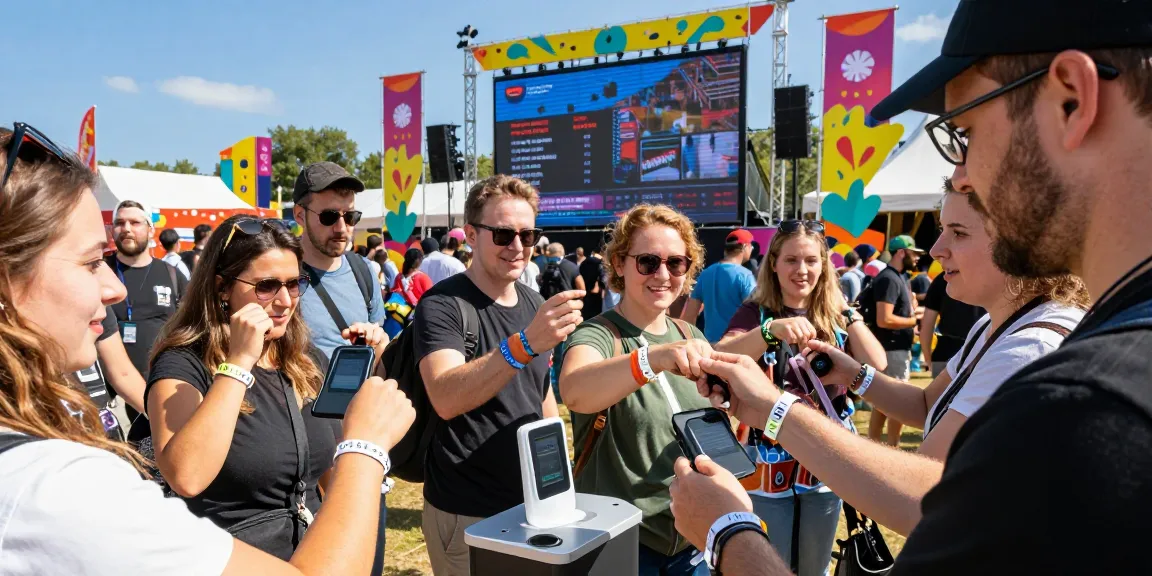
Understanding Digital Wristband Technology
As event organizers increasingly seek innovative solutions to streamline operations and enhance attendee experience, digital wristbands have emerged as a significant technology. These smart accessories serve multiple functions—acting as tickets, payment methods, and tracking devices—all within a compact and user-friendly format. With the rapid advancements in NFC (Near Field Communication) and RFID (Radio Frequency Identification) technologies, control de acceso con pulsera digital has never been more efficient, providing seamless experiences for both attendees and organizers.
What is Control de Acceso con Pulsera Digital?
Control de acceso con pulsera digital refers to the system of using digital wristbands for managing entry to events. Unlike traditional ticketing methods that often lead to long queues, digital wristbands facilitate instant access through sophisticated scanning technology. When attendees arrive at the venue, their wristbands are scanned, allowing for quick verification without the need for physical tickets.
How Digital Wristbands Enhance Event Management
The integration of digital wristbands in event management introduces a level of efficiency that was previously unattainable. They enable real-time monitoring of attendance, crowd distribution, and access control. This immediacy in data allows organizers to make proactive decisions, enhancing security and optimizing guest flow, ultimately leading to a smoother event experience.
Key Features and Benefits of Digital Access Control
- Speedy Entry: With capabilities to process over 2,000 entries per hour, digital wristbands significantly reduce wait times.
- Enhanced Security: Each wristband comes with a unique identifier, ensuring that unauthorized access is easily detected.
- Cashless Transactions: They facilitate quick payments, reducing the need for cash handling and improving overall sales.
- Data Insights: Organizers gain valuable insights into attendee behaviors and preferences through data analysis.
Implementation Strategies for Events
Implementing digital access solutions requires careful planning and execution. By ensuring that all staff are trained and that venues are equipped with the right technology, event organizers can maximize the benefits of digital wristbands.
Planning the Integration of Digital Wristbands
Prior to the event, it is crucial to assess the specific needs and dynamics of the gathering. Consider factors such as the scale of the event, the anticipated flow of attendees, and the types of interactions you wish to facilitate. This understanding will guide the selection of appropriate technologies and processes to enhance the attendee experience.
Step-by-Step Guide to Deploying NFC Solutions
- Conduct a Needs Assessment: Identify the goals of using digital wristbands and the metrics for success.
- Select the Right Technology: Choose NFC or RFID wristbands based on your event type.
- Train Your Staff: Ensure all personnel are familiar with the wristband scanning technology and protocols.
- Test the System: Conduct trial runs before the event to troubleshoot any issues.
- Monitor and Adapt: Use real-time data to adjust operations during the event as needed.
Best Practices for Effective Access Management
To optimize access control with digital wristbands, consider implementing the following best practices:
- Utilize multiple entry points to minimize congestion.
- Set up clear signage to guide attendees efficiently.
- Incorporate backup systems in case of technology failures.
- Regularly review and analyze data post-event to enhance future operations.
Maximizing Revenue with Digital Payment Solutions
Integrating cashless payment systems through digital wristbands not only increases efficiency but also boosts revenue streams for event organizers.
Cashless Transactions and Their Impact on Sales
Cashless events have proven to streamline payment processes, reducing wait times and increasing customer satisfaction. Studies show that by eliminating cash handling, sales can increase by as much as 30%, benefiting both vendors and event organizers.
How Digital Wristbands Facilitate Quick Payments
With a simple tap, attendees can make purchases at food stalls, merchandise booths, and bars without fumbling for cash or cards. This frictionless interaction fosters a more enjoyable experience, encouraging higher spending.
Case Studies of Revenue Increases from Cashless Events
- SoundWave Festival: By implementing a digital wristband system, they managed to increase sales at bars by 30% compared to the previous year.
- TechCon Global: The transition to cashless payment systems reduced the time between transactions, allowing vendors to serve more customers.
Real-Time Monitoring and Data Insights
Effective event management relies heavily on the ability to monitor various aspects in real-time. Digital wristbands provide event organizers with the tools they need to analyze attendee behavior and make data-driven decisions.
Tracking Attendance and Flow in Real-Time
By utilizing cloud-based systems, organizers can gain insights into the flow of attendees throughout the venue. This capability allows for adjustments to be made on the fly, improving crowd management and overall safety.
Using Data to Optimize Event Logistics
Data collected from wristband interactions can highlight peak times, popular areas, and attendance patterns, allowing for better resource allocation and planning for future events.
Importance of Feedback Loops for Continuous Improvement
Collecting feedback from both attendees and staff after the event can provide valuable insights for improvements. Integrating this with data analytics creates a powerful tool for enhancing future events.
Future Trends in Event Access Control
The landscape of event management is evolving, and staying ahead of the curve is crucial for success.
Technological Innovations in Digital Wristbands
As technology continues to advance, we can expect to see even more features integrated into digital wristbands, such as enhanced tracking capabilities and personalized experiences based on attendee preferences.
Predictions for Event Management in 2026 and Beyond
By 2026, data-driven decision-making will become the norm in event management. Organizers will rely on real-time analytics to adapt their strategies, leading to more engaging and efficiently managed events.
How to Stay Ahead in the Evolving Event Landscape
To remain competitive, event organizers should invest in ongoing training and technology updates, continuously exploring new innovations that can improve attendee experience and operational efficiency.
What are the benefits of using digital wristbands for events?
Digital wristbands offer numerous benefits, including streamlined access control, enhanced security, and improved payment processes, which collectively enhance the attendee experience.
How do digital wristbands enhance crowd management?
By providing real-time data on attendee flow and density, digital wristbands enable organizers to manage crowds effectively, ensuring safety and an enjoyable experience.
What features make a digital wristband effective for access control?
Effective digital wristbands should include unique identification features, compatibility with NFC/RFID technology, and the capacity for real-time data tracking to optimize security and access management.
How can event organizers implement NFC technology smoothly?
Planning and testing are vital to a smooth implementation. Organizers should ensure that staff are trained adequately and that the technology is thoroughly tested before the event.
What are the revenue impacts of cashless payments at events?
Cashless payments can significantly increase revenue by facilitating quicker transactions, reducing wait times, and encouraging attendees to spend more due to the convenience of using digital wallets.


